June 10, 2026
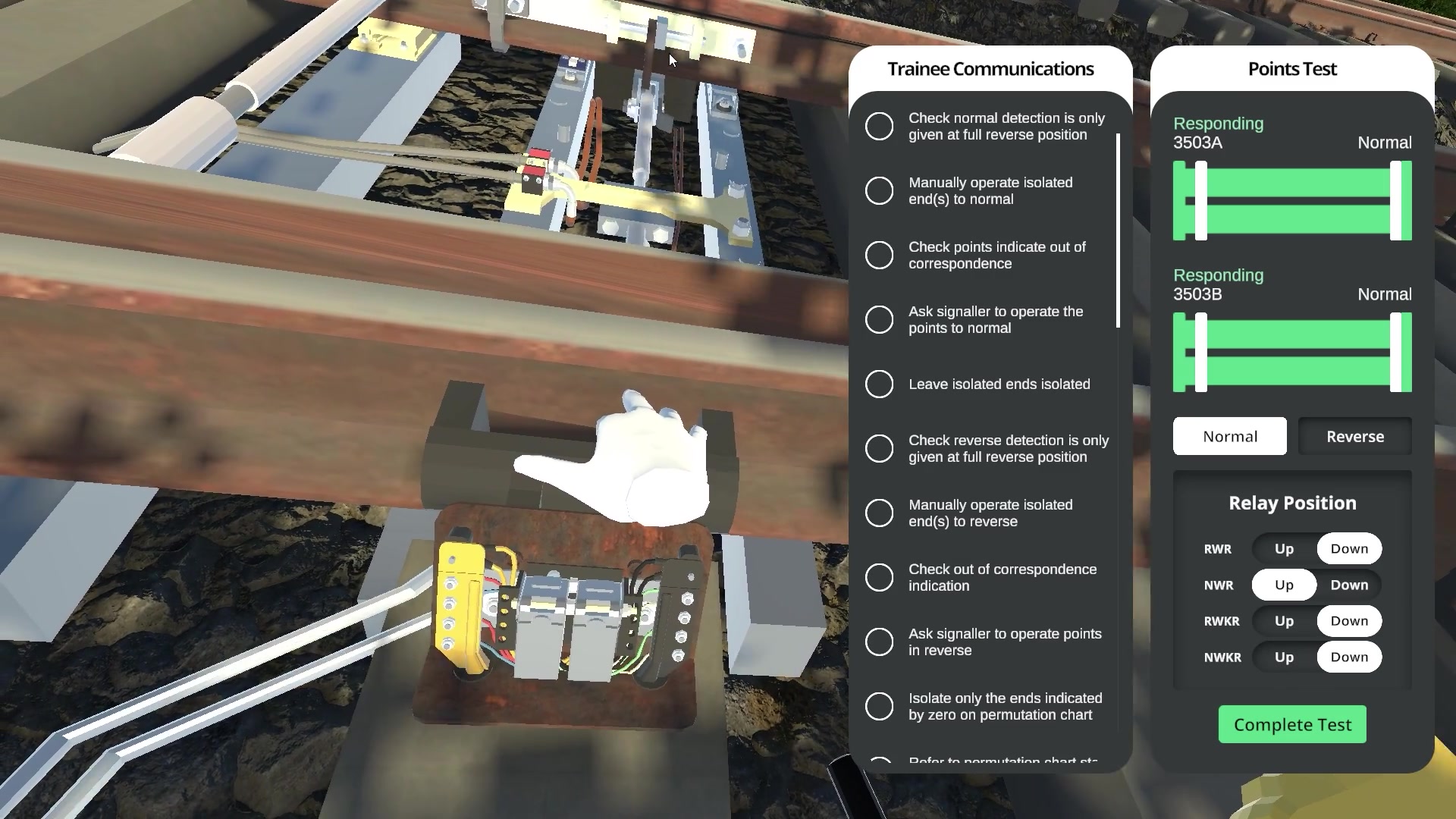
In most fields, practice is how we get better. You try something, you make mistakes, and over time you improve. But in high-hazard environments, that logic breaks down quickly. When a mistake results in injury, a fatality, a regulatory breach, or equipment worth millions of pounds going offline, practice cannot be done through trial and error on the job. The cost of getting it wrong is simply too high.
That is where simulation comes in. Done well, simulation gives workers the chance to build genuine competence in conditions that feel real, without any of the consequences that real environments carry. It is not a shortcut or a box-ticking exercise. It is one of the most effective ways we have to prepare people for the moments that matter most.
This post looks at why simulation has become such a valuable tool for risk reduction, how it works in practice, and what separates a well-designed simulation from one that simply goes through the motions.
The term gets used broadly, but there are some common characteristics. A high-hazard environment is one where the consequences of human error are severe and often irreversible. That might mean physical danger to workers, risk of harm to the public, significant environmental impact, or major operational and financial loss.
In practical terms, this covers a wide range of settings: chemical and petrochemical plants, offshore installations, rail infrastructure, power generation facilities, manufacturing lines handling dangerous materials, construction sites, and logistics operations involving heavy plant and machinery. What these environments have in common is not just the presence of risk, but the speed at which a situation can deteriorate when something goes wrong.
In these settings, the margin for error is narrow. Workers need to respond correctly, quickly, and consistently, often under pressure, in unfamiliar conditions, or at the end of a long shift. That kind of reliable performance cannot be assumed. It has to be built, and it has to be built somewhere safe.

The traditional model for training in hazardous industries often involved a period of supervised on-the-job learning, where a new worker would shadow a more experienced colleague until they were deemed ready to operate independently. That approach has real value, but it also has obvious limits.
It relies on the experienced colleague being available. It means the trainee is present in a live environment before they have fully developed the skills to handle it. And it means that certain scenarios, particularly rare or high-stakes ones, may never arise during the training period, leaving significant gaps in a worker's preparedness.
Simulation addresses all three of these problems. Workers can encounter any scenario the training programme requires, regardless of whether it would naturally arise in the course of a working week. They can do so without being in the actual environment. And they can repeat the experience as many times as needed, building familiarity and confidence before they ever encounter a real-world version of the same challenge.
For processes involving expensive equipment, restricted access areas, or situations that cannot be safely replicated in any other training format, simulation is often not just the best option. It is the only practical one.
One of the most underappreciated aspects of simulation training is the ability to fail safely. In a real operational environment, failure is often not an option, or at least not a recoverable one. In a simulation, failure is the point.
When a trainee makes the wrong call in a simulation, they experience the consequences in a way that feels real enough to be instructive, but without any actual harm being done. That feedback loop, making a mistake, seeing its effect, understanding why, and trying again, is enormously powerful. It produces the kind of learning that sticks.
Repetition also plays a critical role. Skilled performance in high-pressure situations relies on procedural memory, the kind of deep familiarity that means you can execute a task correctly even when you are stressed, fatigued, or facing additional complications. That level of competence only comes through repeated practice, and simulation makes that practice possible at scale.
This is particularly valuable for infrequent but high-stakes tasks. A worker might only need to perform a specific emergency procedure once in a career, but when that moment arrives, it needs to go right. Simulation is the only way to provide sufficient repetition for skills that cannot be routinely practised in live environments.
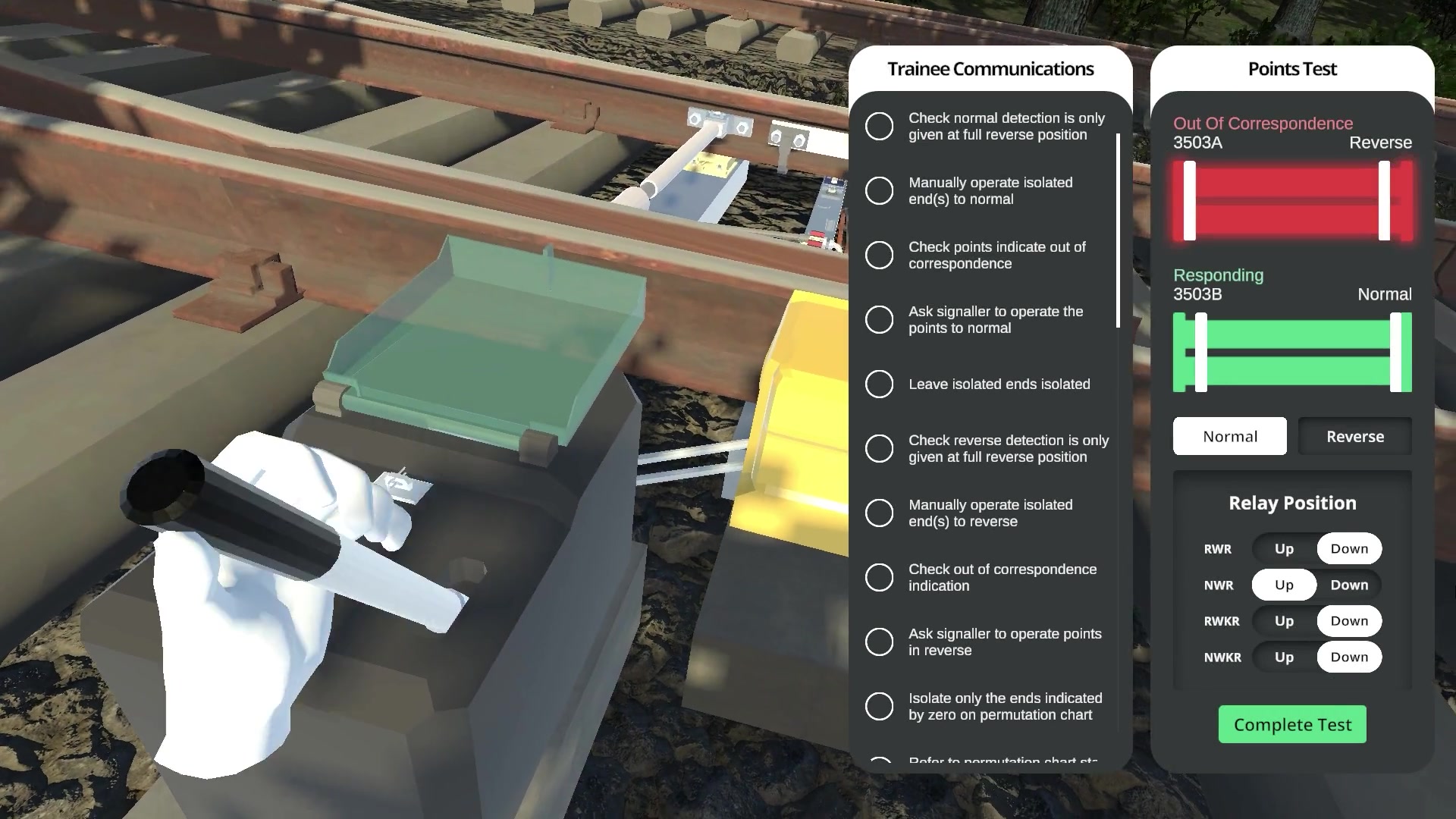
Emergency response training is one of the most compelling use cases for simulation, and also one of the most difficult to replicate by any other means. You cannot practice a genuine emergency without one, and you cannot manufacture a genuine emergency for training purposes without creating real risk.
Simulation breaks the deadlock. Scenarios involving gas leaks, fire, equipment failure, chemical spills, or structural incidents can be rendered in enough detail for workers to experience them as realistic without any of the actual hazards. They can practise the decisions they would need to make, follow the procedures they would need to execute, and coordinate with colleagues in the way they would during a real event.
The psychological dimension matters here too. Research consistently shows that people perform better in high-stress situations when they have encountered similar conditions before, even in a simulated form. Prior exposure, even virtual exposure, builds the cognitive and emotional familiarity that prevents panic and supports clear decision-making under pressure.
Multiplayer simulation adds another layer of value by allowing entire teams to train together. Emergency response is rarely a solo task. Practising it as a coordinated team effort, with all the communication and handoff challenges that entails, produces far better real-world outcomes than individual preparation alone.
For many organisations operating in regulated industries, training is not simply a matter of best practice. It is a legal and regulatory requirement. Being able to demonstrate that workers are competent to perform specific tasks to a defined standard, and that they have received appropriate training before accessing hazardous environments, is part of the compliance framework.
Simulation supports this in a way that other training formats often struggle to. Because simulations can be built to reflect specific procedures, equipment, and site conditions, they can be directly aligned with the competency requirements set out by regulators or internal safety standards. Performance data can be recorded, assessments can be built in, and results can be stored and audited.
This creates a clear, verifiable training record that demonstrates not just that a worker attended a session, but that they were able to demonstrate competence within it. For organisations managing large workforces or onboarding significant numbers of new employees, that kind of consistent, scalable assessment capability has real operational value.
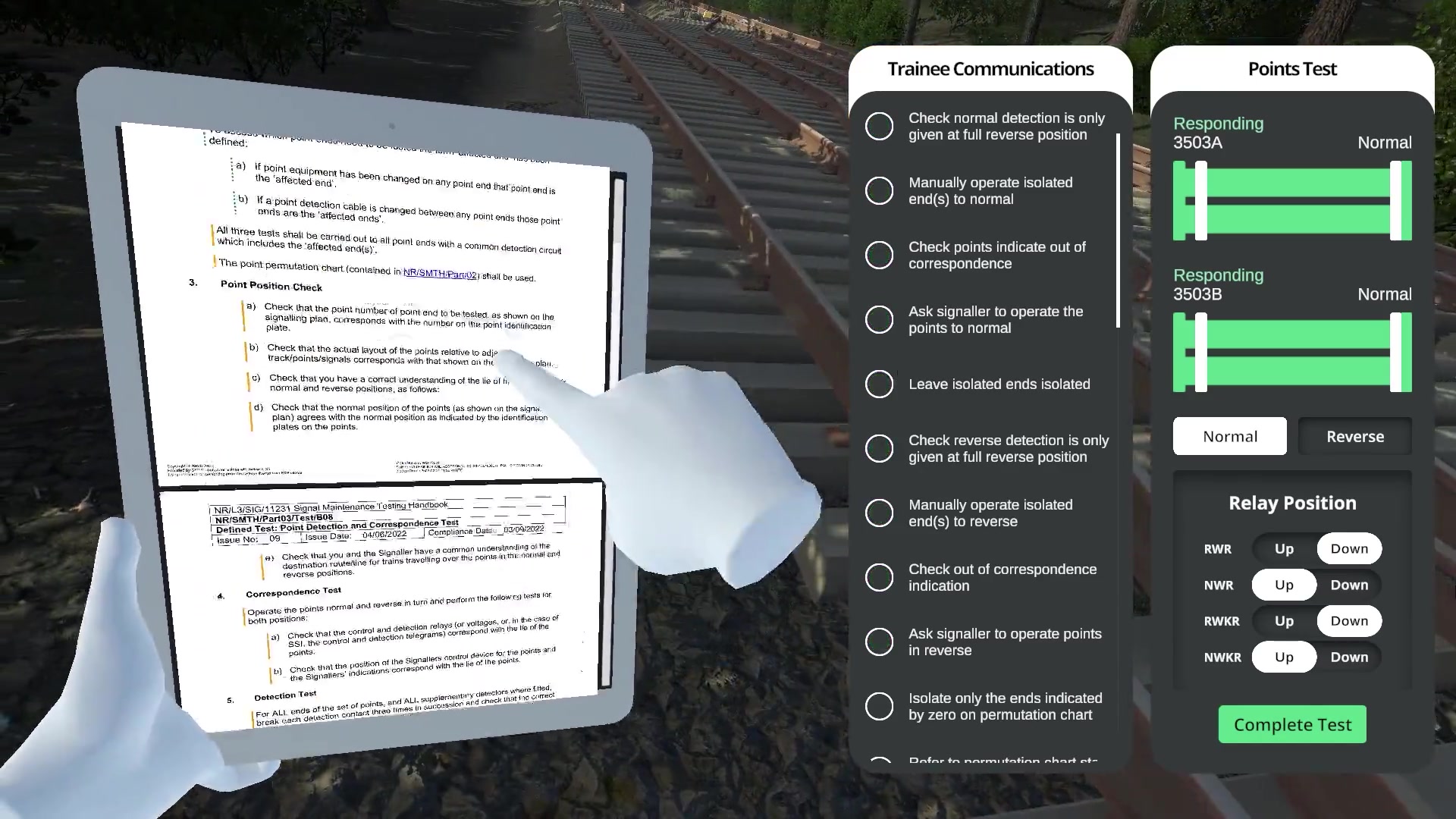
While simulation-based training can add value in almost any sector, there are a number of industries where the case for it is particularly strong.
Not all simulation is equal. A simulation that does not feel real enough to engage the learner, or that does not accurately reflect the environment and tasks it is designed to replicate, will not produce the outcomes organisations need. Good simulation design is the difference between a training tool that genuinely prepares people and one that simply ticks a compliance box.
A few things tend to distinguish well-designed simulations from those that fall short.

The environments where simulation matters most are precisely the ones where you cannot afford to learn on the job. When the stakes are high enough, preparation is not just a training consideration. It is a safety and operational imperative.
Simulation does not replace experience, but it creates the conditions in which genuine competence can develop before workers are exposed to the environments that demand it. That is a meaningful shift in how industries can approach safety, compliance, and workforce readiness.
At ATXR, we build bespoke VR training simulations for manufacturing and engineering organisations that need to prepare their teams for exactly these kinds of environments. Whether you are looking to improve safety performance, reduce onboarding time, or ensure your workforce can handle emergency scenarios with confidence, we would be glad to talk through what a simulation solution might look like for you.
Get in touch to find out more about our Discover, Deploy, and Scale packages, or to arrange a demonstration of what bespoke simulation training can do.


Bespoke VR & AR training simulations for manufacturing and engineering organisations.